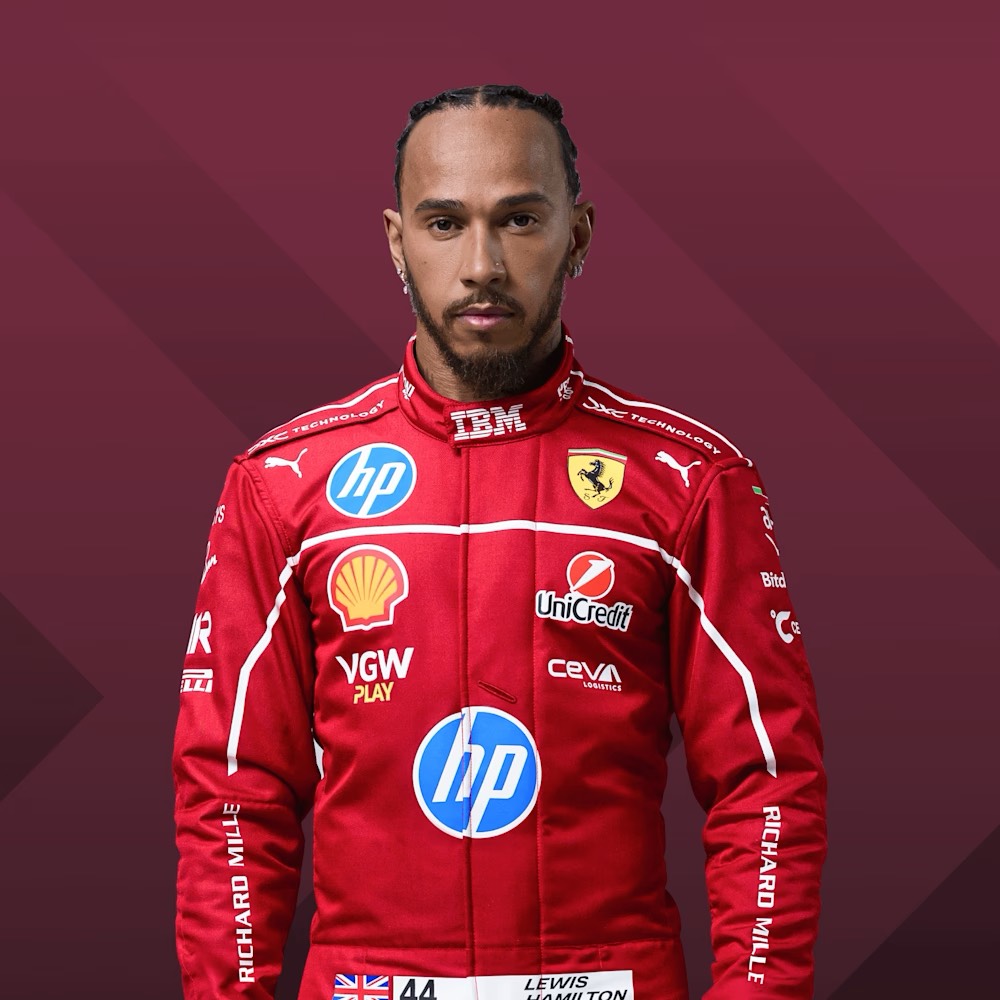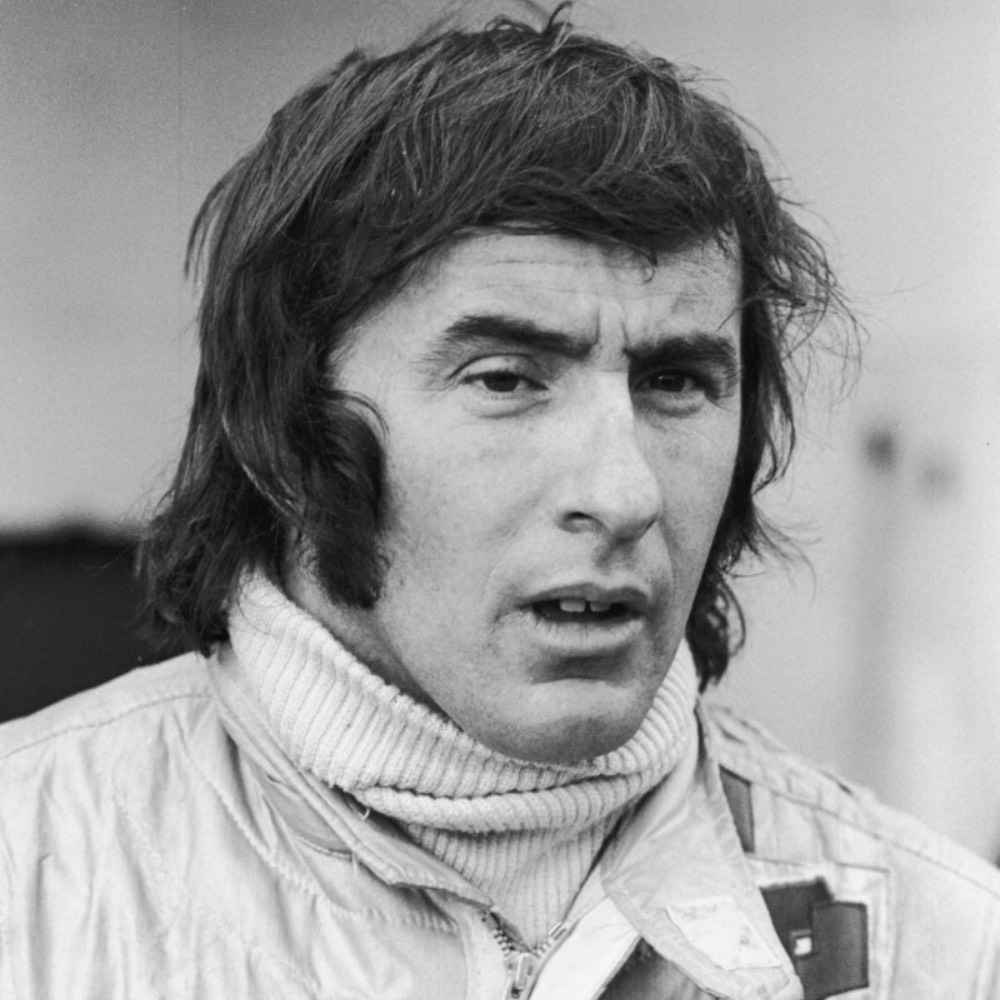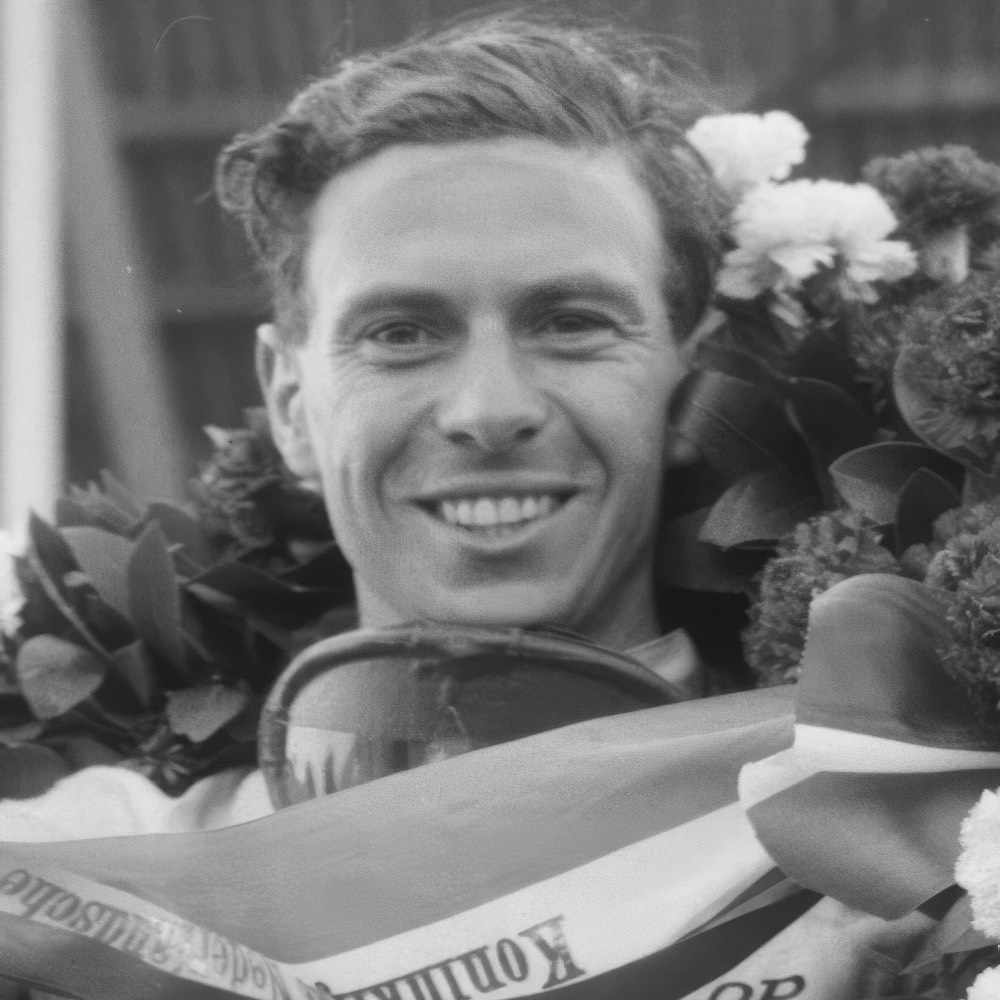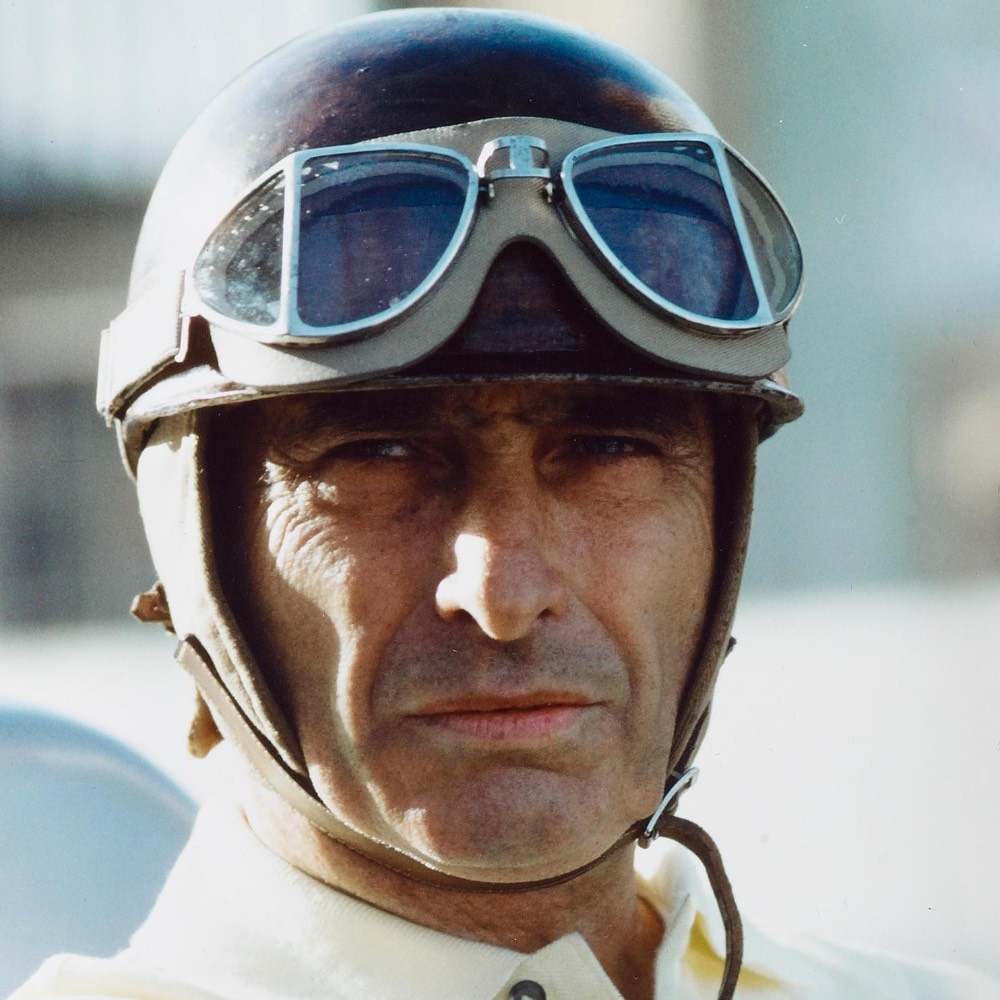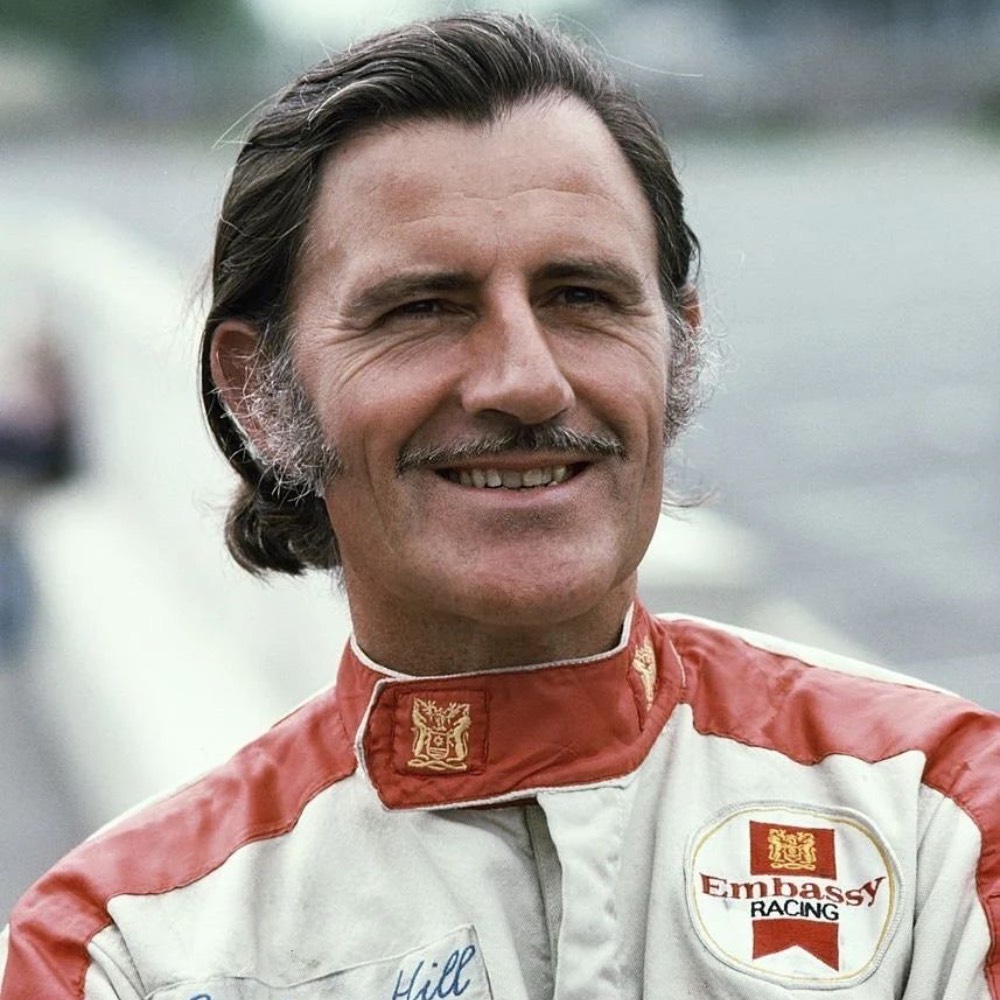
Graham Hill
- Titles
- 2
- 1962, 1968
- Starts
- 176
- Wins
- 14
- 8.0% win rate
- Podiums
- 36
- Poles
- 13
- Fastest laps
- 10
- Points
- 270
- Best finish
- P1
- in the championship
Championship position
Season by season
| Season | Team | Pos | Pts | Starts | Wins | Pod | P1 st. | DNF | Best |
|---|---|---|---|---|---|---|---|---|---|
| 1975 | Lola | — | 0 | 2 | 0 | 0 | 0 | 0 | 10 |
| 1974 | Lola | 18 | 1 | 15 | 0 | 0 | 0 | 3 | 6 |
| 1973 | Shadow | — | 0 | 12 | 0 | 0 | 0 | 6 | 9 |
| 1972 | Brabham | 15 | 4 | 12 | 0 | 0 | 0 | 4 | 5 |
| 1971 | Brabham | 21 | 2 | 11 | 0 | 0 | 0 | 6 | 5 |
| 1970 | Team Lotus | 13 | 7 | 11 | 0 | 0 | 0 | 6 | 4 |
| 1969 | Lotus-Ford | 7 | 19 | 10 | 1 | 2 | 0 | 3 | 1 |
| 1968 | Lotus-Ford | 1 | 48 | 12 | 3 | 6 | 2 | 4 | 1 |
| 1967 | Lotus-BRM/Lotus-Ford | 7 | 15 | 11 | 0 | 2 | 3 | 8 | 2 |
| 1966 | BRM | 5 | 17 | 9 | 0 | 3 | 0 | 5 | 2 |
| 1965 | BRM | 2 | 40 | 10 | 2 | 6 | 4 | 1 | 1 |
| 1964 | BRM | 2 | 39 | 10 | 2 | 5 | 1 | 2 | 1 |
| 1963 | BRM | 2 | 29 | 10 | 2 | 5 | 2 | 3 | 1 |
| 1962 | BRM | 1 | 42 | 9 | 4 | 6 | 1 | 0 | 1 |
| 1961 | BRM | 16 | 3 | 8 | 0 | 0 | 0 | 5 | 5 |
| 1960 | BRM | 15 | 4 | 8 | 0 | 1 | 0 | 6 | 3 |
| 1959 | Team Lotus | — | 0 | 7 | 0 | 0 | 0 | 5 | 7 |
| 1958 | Team Lotus | — | 0 | 9 | 0 | 0 | 0 | 7 | 6 |
Career results grid
| Season | 1 | 2 | 3 | 4 | 5 | 6 | 7 | 8 | 9 | 10 | 11 | 12 | 13 | 14 | 15 |
|---|---|---|---|---|---|---|---|---|---|---|---|---|---|---|---|
| 1975 | 10 | 12 | |||||||||||||
| 1974 | DNF | 11 | 12 | DNF | 8 | 7 | 6 | DNF | 13 | 13 | 9 | 12 | 8 | 14 | 8 |
| 1973 | DNF | 9 | DNF | DNF | 10 | DNF | DNF | 13 | DNF | 14 | 16 | 13 | |||
| 1972 | DNF | 6 | 10 | 12 | DNF | 10 | DNF | 6 | DNF | 5 | 8 | 11 | |||
| 1971 | 9 | DNF | DNF | 10 | DNF | DNF | 9 | 5 | DNF | DNF | 7 | ||||
| 1970 | 6 | 4 | 5 | DNF | DNF | 10 | 6 | DNF | DNS | DNF | DNF | DNF | |||
| 1969 | 2 | DNF | 1 | 7 | 6 | 7 | 4 | 9 | DNF | DNF | |||||
| 1968 | 2 | 1 | 1 | DNF | 9 | DNF | DNF | 2 | DNF | 4 | 2 | 1 | |||
| 1967 | DNF | 2 | DNF | DNF | DNF | DNF | DNF | 4 | DNF | 2 | DNF | ||||
| 1966 | 3 | DNF | DNF | 3 | 2 | 4 | DNF | DNF | DNF | ||||||
| 1965 | 3 | 1 | 5 | 5 | 2 | 4 | 2 | 2 | 1 | DNF | |||||
| 1964 | 1 | 4 | 5 | 2 | 2 | 2 | DNF | DNF | 1 | 11 | |||||
| 1963 | 1 | DNF | DNF | 3 | 3 | DNF | 16 | 1 | 4 | 3 | |||||
| 1962 | 1 | 6 | 2 | 9 | 4 | 1 | 1 | 2 | 1 | ||||||
| 1961 | DNF | 8 | DNF | 6 | DNF | DNF | DNF | 5 | |||||||
| 1960 | DNF | 7 | 3 | DNF | DNF | DNF | DNF | DNF | |||||||
| 1959 | DNF | 7 | DNF | 9 | DNF | DNF | DNF | ||||||||
| 1958 | DNF | DNF | DNF | DNF | DNF | DNF | DNF | 6 | 16 |
Biography
Norman Graham Hill OBE (15 February 1929 - 29 November 1975) was a British racing driver who competed in Formula One from 1958 to 1975, remembered as "Mr. Monaco" for his record five victories at the principality, as a two-time World Drivers' Champion, and as the only driver in history to complete the Triple Crown of Motorsport—victories at the Monaco Grand Prix, Indianapolis 500, and 24 Hours of Le Mans—a feat that remains unmatched nearly 50 years after his death and exemplifies his versatility and enduring greatness across all forms of motorsport. Born in Hampstead, London, Hill came to racing relatively late compared to his contemporaries, not starting competitive motorsport until age 24 after serving in the Royal Navy and working various jobs including as a mechanic.
His late start, lack of financial backing, and working-class background made his rise to the pinnacle of motorsport all the more remarkable, as he relied entirely on natural talent, determination, and personality to progress through the ranks. Hill's breakthrough came when he joined Team Lotus in 1958, beginning a long association with Colin Chapman that would define much of his career. During his first stint with Lotus (1958-1959, 1967-1970), Hill became Chapman's trusted race-winner and development driver, though victories remained elusive in these early years as Lotus developed their competitive machinery. Hill's first championship came in 1962 while driving for BRM, where he won four races (Netherlands, Germany, Italy, South Africa) to claim the World Drivers' Championship ahead of Jim Clark's Lotus, establishing himself as Britain's pre-eminent driver.
After three more seasons with BRM brought regular wins but no additional titles, Hill returned to Lotus for 1967, reuniting with Colin Chapman at a time when Lotus' revolutionary designs were reshaping Formula One. The 1968 season proved to be Hill's finest championship campaign and most emotionally challenging year. His Lotus teammate and friend Jim Clark was killed in a Formula Two race at Hockenheim in April 1968, devastating both Hill and Chapman. Clark had been the team's star and fastest driver, and his death left Hill as team leader in the Lotus 49, powered by the Ford Cosworth DFV engine.
Rising to the enormous challenge of replacing the irreplaceable Jim Clark, Hill won three races (Spain, Monaco, Mexico) and claimed his second World Drivers' Championship at age 39, proving his class and mental fortitude during the most difficult season of his career. Hill's five Monaco Grand Prix victories (1963, 1964, 1965, 1968, 1969) earned him the nickname "Mr. Monaco" and established a record that stood until Ayrton Senna won six times in the 1980s-90s. His mastery of the street circuit's unique demands—precision, consistency, mechanical sympathy, and mental endurance over 100 laps—made him the Monaco specialist of his generation.
Beyond Formula One, Hill competed in virtually every form of motorsport available, embracing opportunities that modern F1 drivers would never consider. He won the Indianapolis 500 in 1966 driving for Mecom Racing in a Lola-Ford, completing 200 laps of the legendary Brickyard to claim America's greatest race. In 1972, he won the 24 Hours of Le Mans sharing a Matra-Simca MS670 with Henri Pescarolo, completing the Triple Crown of Motorsport—Monaco Grand Prix, Indianapolis 500, and Le Mans 24 Hours—a combination of victories achieved by no driver before or since, though Fernando Alonso has come close by winning Monaco and Le Mans but not Indianapolis. Hill's later Formula One years saw declining competitiveness as he aged and teams transitioned to younger drivers.
After leaving Lotus in 1970, he drove for Brabham (1971-1972), Shadow (1973-1974), and Lola (1974-1975), rarely competing for victories but continuing to race because of his love for the sport. In 1973, he established his own Formula One team, Embassy Hill Racing, with backing from Imperial Tobacco's Embassy cigarette brand, hoping to emulate Jack Brabham's success as a driver-team owner. However, the team struggled with limited resources and uncompetitive cars, and Hill's dual role as driver and team principal proved overwhelming. On 29 November 1975, Hill was piloting a Piper Aztec aircraft returning from southern France where the team had been testing their new Hill GH2 chassis at Circuit Paul Ricard.
Approaching Elstree Airfield near London in foggy conditions at night, Hill's aircraft crashed into trees near the golf course at Arkley in the London Borough of Barnet, killing all six people aboard instantly—Hill himself, plus five key members of his racing team including rising young driver Tony Brise, team manager Ray Brimble, designer Andy Smallman, and mechanics Terry Richards and Tony Alcock. The accident investigation concluded that pilot error in poor visibility was the most likely cause, though definitive answers were never established. Hill's death at age 46 ended one of Formula One's most remarkable careers and left his family in financial hardship, as the Embassy Hill team had been heavily indebted and Hill's personal finances were less secure than his celebrity suggested.
His widow Bette was left to raise their three children—Damon, Samantha, and Brigitte—in drastically reduced circumstances, with Damon later recounting having to work as a laborer and motorcycle courier to support the family. Graham Hill's legacy is that of a driver who overcame a late start and lack of privilege to become a two-time World Champion, five-time Monaco winner, and the only driver ever to complete motorsport's Triple Crown—achievements that stand among the greatest in racing history and ensure his place in the pantheon of all-time greats, while his son Damon's 1996 World Championship created motorsport's most poignant father-son legacy.
Teammate head-to-head
| Teammate | Years | Races | Finished ahead | Grid |
|---|---|---|---|---|
| Rolf Stommelen | 1974–75 | 6 | 51 | 1–5 |
| Guy Edwards | 1974 | 7 | 52 | 3–4 |
| Peter Gethin | 1974 | 1 | 10 | 0–1 |
| Jackie Oliver | 1967–73 | 22 | 139 | 11–10 |
| George Follmer | 1973 | 11 | 74 | 5–6 |
| Brian Redman | 1973 | 1 | 10 | 0–1 |
| Carlos Reutemann | 1972 | 10 | 64 | 1–9 |
| Wilson Fittipaldi | 1972 | 10 | 64 | 6–4 |
| Tim Schenken | 1971 | 10 | 46 | 5–5 |
| Dave Charlton | 1970–71 | 2 | 20 | 0–2 |
| Jackie Pretorius | 1971 | 1 | 10 | 1–0 |
| Chris Craft | 1971 | 1 | 10 | 1–0 |